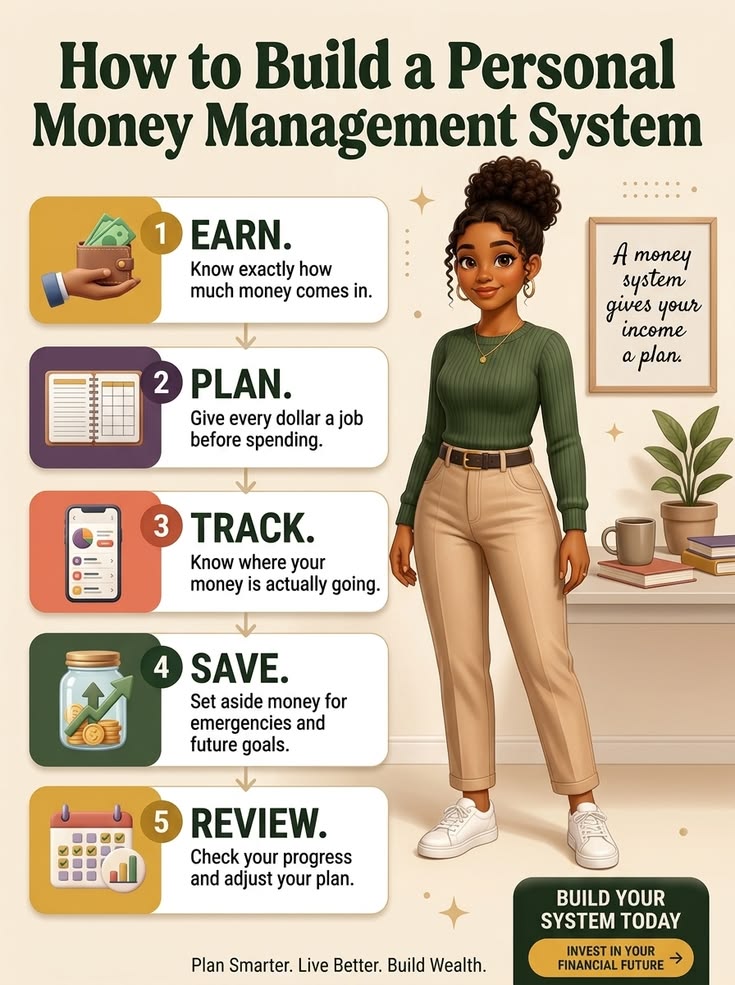
Managing money on a small income can be challenging, especially when the cost of food, transportation, housing, and other essential needs continues to rise. Sometimes, it may feel as though your money finishes before you have the opportunity to save anything. However, earning a small income does not mean you cannot manage your finances effectively. With proper planning, discipline, and realistic financial goals, you can make better use of your money and gradually improve your financial situation.
1. Understand Your Income and Expenses
The first step to managing a small income is understanding how much money you receive and how you spend it. Write down all your sources of income, including your salary, business earnings, allowances, or money from occasional jobs.
Next, list your regular expenses, such as food, rent, transportation, electricity, healthcare, and other responsibilities. This will help you understand whether your income can cover your basic needs and where adjustments may be necessary.
For example, if you earn ₦60,000 monthly, knowing how much you spend on food, transport, and bills will help you plan before the money runs out. If your income changes from month to month, create your budget using a conservative estimate rather than assuming you will always earn your highest amount.
2. Create a Realistic Budget
A budget helps you decide how to use your money before you spend it. When your income is limited, budgeting becomes especially important because every expense matters.
Begin by separating essential expenses from non-essential ones. Essential expenses include food, housing, transportation to work, and healthcare. Non-essential expenses may include frequent entertainment, impulse purchases, and subscriptions you rarely use.
Allocate your income according to your actual needs. You do not have to follow popular budgeting rules if they do not fit your circumstances. For example, spending half your income on essential needs may be impossible if your rent and food costs are high. Instead, prioritize necessities, plan for important bills, and save whatever amount is realistically affordable.
A good budget should guide you, not create unnecessary pressure. Review it regularly and adjust it when your circumstances change.
3. Prioritize Your Needs
When money is limited, learning to distinguish between needs and wants can make a significant difference. Needs are expenses required for your health, safety, and daily responsibilities. Wants are purchases that may improve your comfort or enjoyment but are not immediately necessary.
Before spending money, ask yourself whether the purchase is essential, whether you can afford it, and whether postponing it would help you meet a more important goal.
For example, buying groceries and paying necessary transportation costs should generally take priority over purchasing new clothes when you already have suitable ones. This does not mean you should never enjoy yourself. It means ensuring that important needs are covered before spending on extras.
Making thoughtful decisions can help you avoid running out of money before the end of the month.
4. Track Every Expense
Small expenses can quietly consume a large portion of a limited income. Buying snacks, making frequent impulse purchases, or paying for unnecessary services may seem harmless, but these costs can add up over time.
Keep a record of everything you spend. You can use a notebook, your phone’s notes application, or a simple spreadsheet. At the end of each week, review your expenses and identify areas where you could spend less.
For example, if you regularly buy lunch outside, preparing food at home when practical may help you save. If you spend too much on mobile data, compare available plans and choose one that suits your usage.
The purpose of tracking expenses is not to eliminate every small pleasure. It is to identify spending that does not provide enough value for the money you pay.
5. Save Small Amounts Consistently
Many people believe they cannot save because their income is too small. Although saving can be difficult when essential expenses consume most of your earnings, starting with a small amount can help you develop the habit.
You might begin by saving ₦500, ₦1,000, or another affordable amount whenever you receive income. If possible, set aside the money before spending on non-essential items.
For instance, saving ₦1,000 each week would amount to approximately ₦52,000 over a year, assuming you save every week and do not withdraw the money.
Keep your savings separate from everyday spending money to reduce the temptation to use them unnecessarily. If your income barely covers basic needs, focus first on meeting those needs and look for opportunities to increase your income rather than feeling pressured to save an unrealistic amount.
6. Build an Emergency Fund
Unexpected expenses can disrupt your finances, particularly when you have little money available. An emergency fund provides a financial cushion for situations such as medical bills, urgent repairs, or temporary loss of income.
Start with a small and achievable target. Your first goal might be enough to cover one common emergency. Once you reach that amount, gradually work toward saving enough to cover several weeks or months of essential expenses.
Keep emergency money somewhere reasonably secure and accessible. Avoid using it for planned purchases or entertainment.
If you cannot save much immediately, do not become discouraged. Even a small emergency reserve can be more helpful than having no savings at all.
7. Avoid Unnecessary Debt
Borrowing money may sometimes be unavoidable, but frequent borrowing can make a small income even harder to manage. Loan repayments, interest, and additional fees reduce the money available for food, transportation, and other essentials.
Before taking a loan, consider whether the expense is truly necessary and whether you can comfortably repay the full amount. Read the terms carefully and avoid lenders or schemes that make unrealistic promises.
If you already owe money, list your debts, repayment dates, and interest rates. Pay attention to required payments and, where possible, direct extra money toward high-interest debts. If you are struggling, contact your lender to discuss possible repayment arrangements before the situation becomes more difficult.
Avoid taking a new expensive loan simply to cover an old one unless you fully understand the costs and have a workable repayment plan.
8. Find Ways to Reduce Costs and Increase Income
Budgeting alone may not solve every financial problem. If your income is consistently lower than your essential expenses, you may need to reduce costs where possible and explore ways to earn more.
You could learn a useful skill, offer services in your community, take on suitable freelance work, or start a small business that matches your abilities and available resources.
You can also reduce costs by comparing prices, planning meals, using public transportation where practical, and avoiding waste. However, do not sacrifice essential healthcare, adequate nutrition, or personal safety just to save money.
Be careful with opportunities that promise quick profits or guaranteed returns. Focus on realistic ways to improve your earnings without exposing yourself to unnecessary financial risk.
9. Set Realistic Financial Goals
Having clear financial goals helps you stay motivated. Your goals might include paying rent on time, clearing a debt, buying work equipment, saving for education, or building an emergency fund.
Break large goals into smaller steps. If you want to save ₦20,000, calculate how much you can reasonably set aside each week or month. Adjust your target if your income or expenses change.
Review your progress regularly and celebrate small achievements. Financial improvement is not always immediate, but consistent effort can gradually strengthen your financial position.
Conclusion
Managing money effectively on a small income requires careful planning, realistic budgeting, controlled spending, and patience. By understanding your expenses, prioritizing essential needs, saving what you can, avoiding unnecessary debt, and exploring opportunities to increase your income, you can make better financial decisions.
Remember that financial progress looks different for everyone. Do not compare your situation with people who have different incomes or responsibilities. Start with the resources available to you, develop practical habits, and improve your plan as your circumstances change.
Even when your income is small, every thoughtful financial decision can help you move toward greater stability and a more secure future.