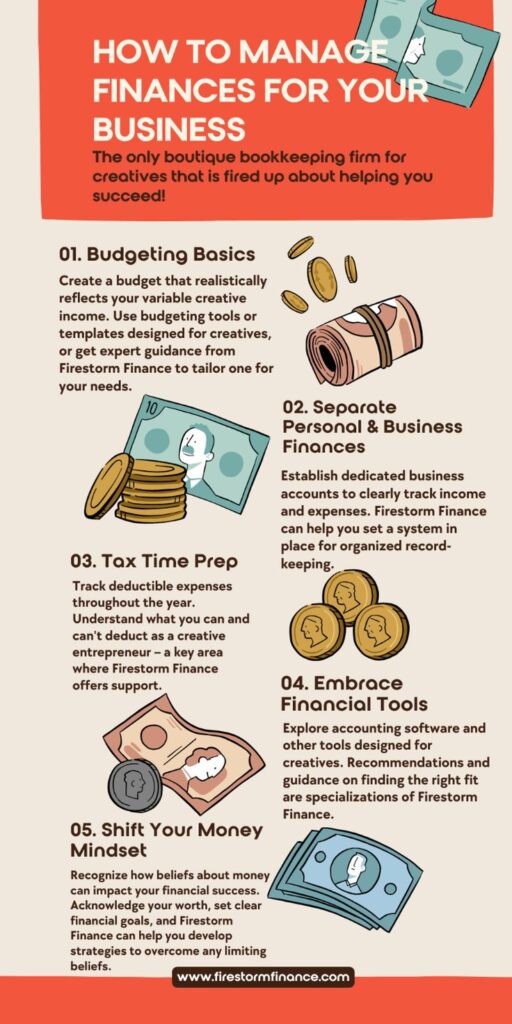
Managing business finances is one of the most important skills every small business owner needs. Whether you run a provision shop, fashion business, food business, online store, or service-based business, how you handle your money can determine whether your business grows or struggles.
Many small businesses do not fail because they lack customers. Some struggle because their owners cannot track expenses, manage cash flow, separate personal money from business money, or plan for future costs.
The good news is that you do not need to be an accountant to manage your business finances effectively. With simple systems, consistent record-keeping, and good financial habits, you can understand your business performance and make better decisions.
1. Separate Personal and Business Finances
One of the first steps toward managing business finances is separating your personal money from your business money.
When you use business income to pay personal bills without keeping records, it becomes difficult to know how much money the business actually earns. You might believe your business is profitable when, in reality, you are spending more than it generates.
Open a separate bank account or use a clearly designated account for business transactions where practical. Pay business expenses from that account and record any money you withdraw for personal use.
For example, if your business earns ₦300,000 in a month, do not assume the entire amount belongs to you. You must first account for stock, rent, transportation, salaries, utilities, taxes, and other business costs.
Pay yourself a planned amount that the business can reasonably afford.
2. Create a Business Budget
A business budget is a plan showing how you expect to earn and spend money over a particular period.
Start by listing your expected income and regular expenses. These may include:
- Stock or raw materials.
- Rent and electricity.
- Transportation and delivery.
- Staff salaries.
- Internet and communication.
- Marketing and advertising.
- Taxes, licences, and other applicable charges.
Suppose you expect your business to generate ₦500,000 in monthly sales. You could estimate how much will go toward inventory, operating expenses, taxes, and other obligations before deciding how much can be reinvested or withdrawn.
Your budget should also account for irregular expenses, such as equipment repairs and annual fees.
Review your budget monthly and compare your estimates with actual results. This will help you identify overspending and adjust your plans when business conditions change.
3. Track Every Business Transaction
You cannot manage what you do not measure. Record every sale, purchase, expense, loan, and payment received.
Your records do not need to be complicated. A notebook, spreadsheet, or bookkeeping application can help you get started.
For each transaction, record the date, description, amount, and payment method. Keep receipts, invoices, bank statements, and other relevant documents.
For example, if you sell goods worth ₦25,000, record the sale. If you spend ₦8,000 transporting the goods, record that expense separately.
Accurate records help you understand where your money goes, calculate your profit, prepare for taxes, and identify financial problems early.
Make it a habit to update your records daily or weekly rather than waiting until the end of the month.
4. Understand the Difference Between Revenue and Profit
One common mistake small business owners make is confusing sales revenue with profit.
Revenue is the money your business generates from selling goods or services. Profit is what remains after the relevant business costs are deducted.
For example, imagine your business makes ₦400,000 in monthly sales. If the cost of the goods sold is ₦240,000 and your other operating expenses are ₦100,000, your profit before taxes and other unaccounted costs is ₦60,000.
That means you cannot safely treat the entire ₦400,000 as money available for personal spending.
Understanding profit helps you decide whether your prices are appropriate, your expenses are too high, or your business needs to improve its sales.
Remember that profit and cash flow are different. A business may record a profit but still struggle to pay its bills if customers have not paid what they owe.
5. Manage Your Cash Flow
Cash flow refers to the money entering and leaving your business. Healthy cash flow helps you pay suppliers, workers, rent, and other obligations on time.
Even profitable businesses can experience cash shortages when customers pay late, too much money is tied up in inventory, or expenses fall due before sales revenue arrives.
To improve cash flow:
- Follow up on overdue customer payments.
- Avoid buying excessive inventory that sells slowly.
- Plan for upcoming bills and supplier payments.
- Negotiate reasonable payment terms where possible.
- Maintain a cash reserve for essential operating expenses.
Prepare a simple cash flow forecast showing the money you expect to receive and pay over the coming weeks.
This allows you to identify potential shortages early and make adjustments before they become serious problems.
6. Control Expenses Without Reducing Quality
Reducing unnecessary expenses can improve your business profitability. However, cutting costs should not damage the quality of your products or customer service.
Review recurring expenses and identify areas where you can save money. Compare suppliers, reduce waste, negotiate better prices, and monitor how much you spend on advertising and delivery.
For example, if you regularly purchase packaging materials, compare suppliers to find better value without compromising quality.
You should also monitor inventory carefully. Buying too much stock can tie up money that could otherwise be used to pay bills or purchase faster-selling products.
Focus on expenses that provide little value to your business. Small savings across several categories can improve profitability over time.
7. Build a Business Emergency Fund
Unexpected problems can arise in any business. Equipment may break down, sales may decline, suppliers may increase prices, or customers may delay payments.
A business emergency fund can help you handle these situations without immediately borrowing money.
Start by setting aside a manageable amount from your business profits. Over time, aim to build a reserve that can cover several months of essential operating expenses, depending on your business model and the stability of your income.
Keep this reserve separate from your everyday operating money and use it for genuine business emergencies.
If your business is new or your profits are inconsistent, begin with a smaller target and increase it as your finances improve.
8. Price Your Products and Services Correctly
Your prices must cover your costs and leave room for profit. If you charge too little, you may attract customers but struggle to sustain the business.
Calculate the full cost of providing your product or service. Include materials, packaging, transport, labour, overhead expenses, and other relevant costs.
Then consider your desired profit margin, customer demand, competitors, and the value you offer.
For example, if a product costs ₦5,000 to purchase and prepare for sale, selling it for ₦5,200 may leave too little profit after additional expenses. A suitable price should account for those costs while remaining competitive.
Review your prices when supplier costs or other expenses change. Avoid setting prices based only on what competitors charge without understanding your own cost structure.
9. Plan for Taxes and Legal Obligations
Every business should understand the tax and regulatory obligations that apply to its operations.
Keep accurate financial records and set aside money for expected tax payments where applicable. Avoid treating money collected for taxes as ordinary business income.
Requirements can vary depending on your location, business structure, turnover, and activities. If you operate in Nigeria, consult the relevant tax authorities or a qualified accountant to understand current requirements, applicable registrations, filing deadlines, and available reliefs.
Planning for taxes helps you avoid unexpected liabilities and makes financial management more predictable.
10. Review Your Business Finances Every Month
At the end of each month, review your financial records to understand how your business is performing.
Ask yourself:
- How much revenue did the business generate?
- What were the total expenses?
- Did the business make a profit or loss?
- Which products or services performed best?
- Are customers paying on time?
- Do I have enough cash to cover upcoming bills?
- What should I improve next month?
Use the answers to make informed decisions about pricing, inventory, marketing, and expansion.
Avoid expanding simply because sales have increased. Confirm that the business can afford the additional costs and that the expansion supports sustainable profitability.
Conclusion
Managing business finances effectively requires discipline, accurate records, realistic budgeting, and regular financial reviews. By separating personal and business money, understanding profit, controlling expenses, managing cash flow, and preparing for emergencies, you can make your business more financially stable.
Start with simple systems that you can maintain consistently. As your business grows, you can introduce more advanced bookkeeping tools and seek professional financial advice when necessary.
Remember, making sales keeps a business moving, but managing money wisely helps keep it running and growing.